One Player, A Thousand Problems: The Hard Truth About Keeping Your Clan's Top Fragger
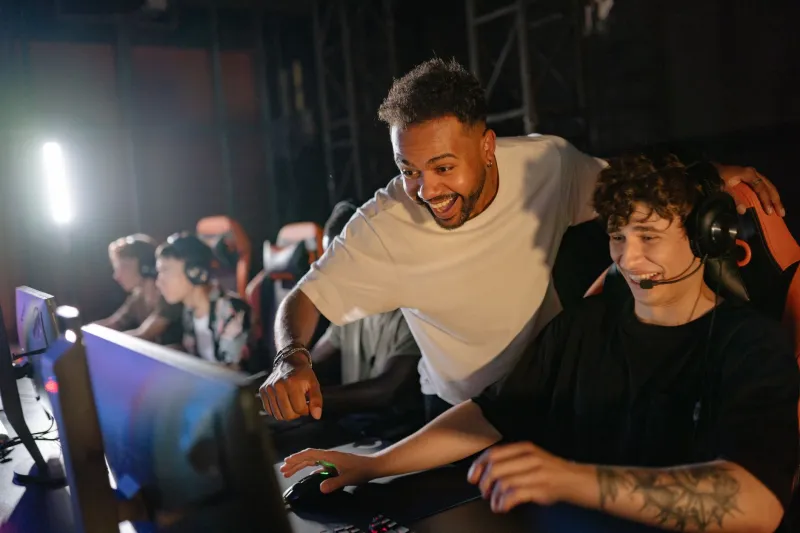
There's a moment every clan manager dreads. You're staring at the post-match scoreboard, and your problem player is sitting at the top — again. Highest damage, most eliminations, clutch play in the final round. And then the Discord notification rolls in. Someone's already venting. Someone else is threatening to quit. And the guy at the top of that scoreboard? He's already moved on, completely oblivious to the wreckage he left in the lobby.
This is the manager's dilemma in its purest form. Raw performance versus human cost. Keeping the numbers up versus keeping the team together. It sounds like a straightforward math problem until you're actually living it, and then it becomes one of the messiest leadership puzzles in competitive gaming.
The Myth of the Indispensable Player
Let's start with the most dangerous idea in competitive clan culture: the belief that one player is so talented, so mechanically gifted, that the team simply cannot function without them.
This mindset shows up everywhere — in esports organizations, in amateur clan circuits, in weekend tournament squads. And it almost always ends the same way. The team bends itself into increasingly uncomfortable shapes trying to accommodate one person's ego or volatility, until eventually the whole structure snaps.
The truth is, no player is ever truly indispensable. What makes a player feel indispensable is usually a combination of skill scarcity and the team's failure to develop depth. When your star fragger is also your only fragger, you've got a roster design problem, not a personnel loyalty situation.
Elite clans understand this. They build systems, not cults of personality. When any single player becomes the load-bearing wall of your entire strategy, you've already started losing — even if the scoreboard doesn't reflect it yet.
What Toxic Actually Looks Like (It's Not Always Obvious)
A lot of managers make the mistake of waiting for a blowup — a screaming match in voice chat, a public callout on social media, an open mutiny in the team server. By the time things get that dramatic, the damage is usually already done.
Toxic behavior in competitive clans tends to be quieter and more corrosive in its early stages. It looks like a star player dismissing callouts from teammates mid-round. It looks like selective communication — going silent when a play doesn't go their way, then dominating the debrief to explain why everyone else made the wrong call. It looks like subtle status games: the eye roll at a new recruit's suggestion, the passive comment about someone's rank history, the habit of blaming losses on teammates while claiming personal credit for wins.
None of that shows up in the kill feed. But every person on the team feels it, and over time, it changes how they play. Teammates start second-guessing their own calls. Newer players stop speaking up. The team's collective decision-making gets worse because half the roster is playing scared.
That's the real cost of the problem player — not the drama itself, but what the drama does to everyone else's performance.
The Confrontation Most Managers Avoid
Here's where a lot of clan managers drop the ball: they see the problem, they know the problem, and they do nothing. They tell themselves the player will settle down after a tough loss streak. They convince themselves that the team just needs to learn how to handle them. They avoid the conversation because they're afraid of what happens if the star player walks.
But avoidance is its own kind of decision. Every week you let a toxic dynamic fester is a week your other players are deciding whether this team is worth their time.
The confrontation, when it happens, needs to be direct but not punitive. This isn't about embarrassing someone or making an example of them. It's about being honest: here's what's happening, here's how it's affecting the team, and here's what needs to change. Give the player a real chance to respond and adjust. Some players genuinely don't realize the impact they're having — not because they're malicious, but because nobody's ever told them plainly.
Set specific, observable expectations. Not "be nicer" or "fix your attitude" — those are too vague to hold anyone accountable. Instead: no dismissing teammate callouts mid-round, constructive-only language in post-match reviews, equal airtime in strategy sessions. Concrete behaviors you can actually track.
And then follow through. If nothing changes after a genuine good-faith effort, you have your answer.
When the Cut Is the Right Call
Cutting a high-performing player feels like self-sabotage. Your tournament record might dip. Your opponents might even notice the gap. For a stretch, it's going to look like a mistake.
But consider what you're actually trading away by keeping them. You're trading the development of your other players, who've been playing smaller to make room for one person's ego. You're trading your ability to recruit quality talent — word gets around fast in competitive gaming circles, and nobody wants to join a roster with a known chemistry problem. You're trading your long-term shot at building something sustainable for short-term scoreboard validation.
Some of the most successful clan runs in competitive gaming history happened right after a difficult roster cut. When the team dynamic resets, when players feel safe to communicate freely and take creative risks, performance often improves faster than anyone expected.
The player you cut might also land somewhere that's actually a better fit for them. That's not a consolation prize — it's a real outcome. Some players thrive in environments that match their intensity level. The problem isn't always the player; sometimes it's the mismatch.
Building a Culture That Doesn't Create This Problem
The best long-term strategy isn't learning how to manage toxic stars — it's building a clan culture that doesn't reward that behavior in the first place.
That means establishing clear team values during the recruitment phase, not after problems emerge. It means creating feedback loops where players at every level can raise concerns without fear of social fallout. It means making sure your top performers understand that their value to the team is tied to their impact on the whole squad, not just their personal stats.
It also means being honest with yourself as a manager about what signals you're sending. If you consistently overlook toxic behavior from high-performing players, you're teaching your entire roster that results excuse everything. That lesson will come back to haunt you.
The clans that consistently compete at the highest levels aren't the ones with the most individually talented players. They're the ones where five people trust each other enough to play their best when it matters most. That trust is fragile, and it's your job to protect it — even when protecting it means making the hardest call of your season.