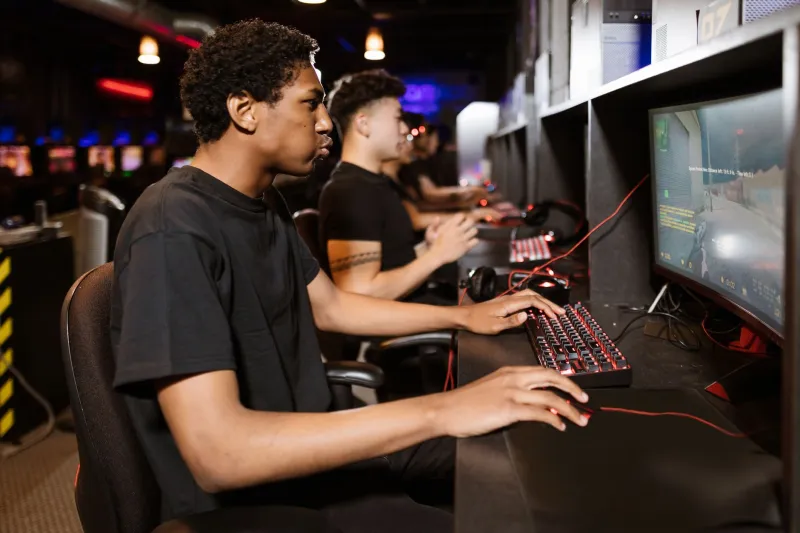
Ride or Die: What Really Makes Gamers Stick With Their Clan (Or Walk Away)
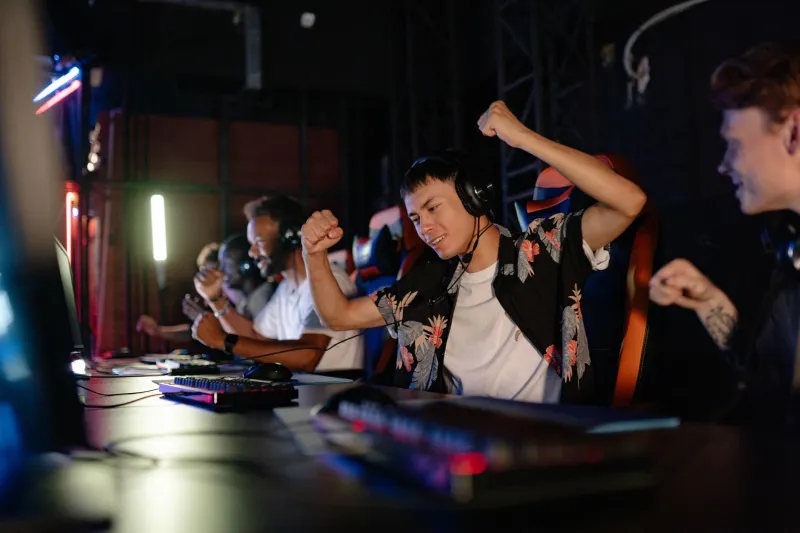
Ask any veteran competitive player what their most memorable gaming moment was, and odds are it didn't happen solo. It happened with a crew — a clan that pushed them harder, celebrated louder, and probably roasted them mercilessly in voice chat afterward. Clan loyalty runs deep in competitive gaming culture, but it's also fragile. People leave. Rosters blow up. Discord servers go quiet. So what separates the clans that last from the ones that fall apart after one rough tournament run?
We talked to longtime clan leaders, competitive players, and a few folks who've been on both sides of a roster cut to find out what's really going on under the surface.
It's Not Just About the W's
Here's the thing most people get wrong: they assume players stay in clans primarily because of winning. And sure, nobody wants to grind ranked matches on a team that's stuck in a losing streak with no plan to improve. But competitive success alone doesn't explain why some players turn down better opportunities to stay with their squad.
"I had a chance to join a team that was clearly more skilled than us at the time," said Marcus, a 26-year-old Call of Duty player from Atlanta who's been with the same clan for four years. "But those guys didn't know me. My current team — we've been through stuff together. That matters more than climbing a leaderboard."
Psychologists who study group dynamics would recognize what Marcus is describing immediately: it's social identity theory. When you're part of a clan long enough, the group becomes part of how you see yourself. You're not just a player who happens to run with these people — you are a member of that clan. Leaving feels less like switching teams and more like losing a piece of your identity.
The Trust Factor
Trust is the invisible infrastructure of every successful clan. It's built slowly — through late-night practice sessions, clutch plays, and yes, through losses that sting but don't fracture the group. And it can be destroyed fast.
Leadership plays a massive role here. Clan leaders who communicate clearly, make fair decisions on roster spots, and actually listen to their members create environments where players feel safe investing emotionally. On the flip side, clans run with favoritism, poor communication, or unclear expectations are loyalty time bombs.
"The clans I've seen fall apart almost always had the same issue," said Priya, a Valorant team captain from Chicago with over six years of competitive experience. "Leadership that talked a big game but didn't actually respect the players. People can handle losing. They can't handle feeling disrespected."
This tracks with what organizational psychologists call psychological safety — the belief that you won't be punished or humiliated for speaking up, making mistakes, or asking questions. Teams with high psychological safety perform better and stick together longer. That's as true in a boardroom as it is in a five-stack.
When Chemistry Beats Skill
One of the more counterintuitive findings in competitive gaming culture is that raw skill level often matters less to retention than people think. Players will tolerate skill gaps on their team if the chemistry is right. What they won't tolerate for long is feeling like a stranger in their own Discord server.
Clan culture — the vibe, the inside jokes, the shared rituals — acts as social glue. Clans that celebrate small wins, acknowledge individual contributions, and create space for members to exist as full human beings (not just K/D ratios) tend to hold onto people even when the competition gets rough.
This is especially true for younger players who are still figuring out their place in the gaming community. For a lot of them, a clan isn't just a competitive team — it's a social lifeline. That's a powerful bond to break.
What Actually Pushes People Out the Door
So what makes someone finally pull the trigger and leave? Usually it's not one thing — it's a slow accumulation of smaller grievances that eventually tips the scale. Based on the conversations we had, the most common exit triggers include:
- Feeling invisible: Members who consistently get overlooked for starting spots, recognition, or input on team decisions will eventually stop caring.
- Toxic dynamics left unchecked: One or two bad actors can poison an entire group if leadership doesn't address it. Players who are forced to choose between their mental health and their clan will — and should — choose themselves.
- No room to grow: Competitive players want to improve. If a clan isn't evolving, practicing smarter, or pushing toward bigger goals, ambitious players will find one that is.
- Life changes: This one's underrated. People graduate, start jobs, move cities, have kids. Clans that can't flex around real-life changes lose members they didn't have to lose.
"I didn't leave because I hated anyone," said Devon, a 24-year-old Apex Legends player from Houston who recently moved to a new team. "I just needed to level up, and my old clan had kind of settled. No hard feelings — we still talk. But I had to make the move."
Building Loyalty That Actually Lasts
If you're running a clan or thinking about starting one, the psychological research points pretty clearly toward a few non-negotiables. Invest in your culture before your roster. Create systems where every member feels heard. Deal with conflict directly instead of letting it fester. And remember that people aren't just usernames — they're showing up to compete and to connect.
The clans that turn into dynasties aren't always the ones with the most mechanical skill. They're the ones where players feel like they genuinely belong to something worth fighting for.
In competitive gaming, that's the rarest resource of all — and the one that wins championships long after the meta has shifted.