Clip It and Ship It: How Smart Clans Are Turning Content Into Their Biggest Competitive Edge

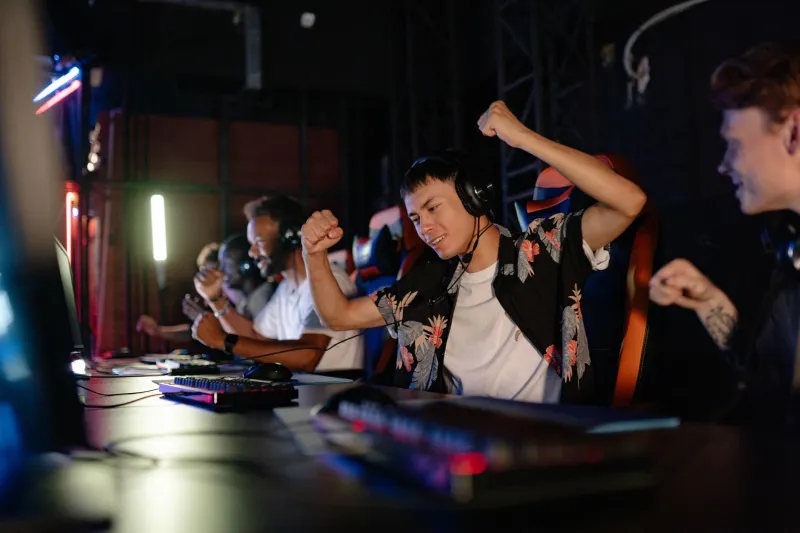
Photo by Photo by ELLA DON on Unsplash on Unsplash
Not long ago, the idea of a gaming clan investing seriously in content creation would've gotten some eye-rolls. You play to win, not to entertain. Streaming is for solo creators. YouTube is for highlight reels and drama. That was the conventional wisdom, and a lot of clans still operate by it.
Those clans are getting left behind.
The competitive gaming landscape in 2024 looks very different from what it did five years ago. The clans pulling in consistent sponsorship dollars, attracting top-tier recruits, and building something that actually lasts aren't just grinding ranked queues and tournament brackets. They've figured out that a strong media presence is its own form of competitive infrastructure — one that pays dividends in ways that a tournament win simply doesn't.
Why Content Is Now a Clan Strategy
Let's start with the basic economics. Tournament prize pools at the semi-pro and amateur clan level are, to put it diplomatically, not life-changing. A solid regional finish might net your team a few hundred bucks split across five or more players. The grind is real, the payoff is modest, and the whole operation is one roster implosion away from falling apart.
Content flips that equation. A clan with a YouTube channel generating 50,000 views per month, a TikTok presence with consistent viral clips, and a Twitch stream that runs three nights a week is building recurring revenue and brand equity that compounds over time. Sponsorships follow audience, not just trophies. And brands — peripherals companies, energy drinks, gaming chairs, VPN providers — want to reach engaged communities, which is exactly what a well-run clan content operation produces.
The clans that have connected these dots are treating content not as a side hustle but as a core pillar of their organization.
The Platform Breakdown
Different platforms serve different functions in a clan's content strategy, and the smart orgs know how to use each one intentionally.
Twitch is where community happens in real time. Live streams create a sense of shared experience — viewers feel like they're part of something as it unfolds. For clans, regular streaming builds a loyal audience that follows the team's journey, not just their highlight reel. It's also the most direct monetization path through subscriptions and donations, though it requires consistent scheduling and genuine personality to gain traction.
YouTube is the long game. Longer videos — VOD reviews, strategy breakdowns, behind-the-scenes content, tournament recaps — perform well for clans because they serve an audience that's already invested in competitive gaming. YouTube content also has a much longer shelf life than a live stream; a well-optimized video can keep pulling views for months. Clans that document their competitive journey — wins, losses, team drama, roster moves — create a narrative that keeps people coming back.
TikTok is the discovery engine. Short clips of insane plays, funny team moments, or quick tips can reach audiences who've never heard of your clan. The algorithmic reach on TikTok is unlike anything else right now, and clans are using it to introduce themselves to potential fans, recruits, and sponsors who would never have found them through competitive results alone.
The most effective clan media strategies don't pick one platform — they create content with each platform's strengths in mind and let them work together.
What the ROI Actually Looks Like
Here's where things get interesting. When you map out the actual return on investment, content creation starts to look a lot more attractive than grinding for tournament placements.
Consider a clan that spends 10 hours a week on content — streaming, editing clips, posting to TikTok. If that investment builds an audience of even 5,000 engaged followers across platforms, the sponsorship conversations that become possible are worth far more than what most regional tournament brackets offer. A modest brand deal with a peripheral company might pay $500 to $2,000 per post or integration, and clans with consistent audiences can negotiate multiple partnerships simultaneously.
There's also a recruitment angle that's easy to undervalue. The best players want to join organizations with visibility. When a skilled prospect is choosing between two clans of similar competitive caliber, the one with a YouTube presence and a TikTok following has a clear edge. Content creates credibility, and credibility attracts talent.
And then there's the community angle — the thing that actually makes a clan sustainable. Clans with active content operations build fan bases that stick around through roster changes, off-seasons, and losing streaks. That kind of loyalty is what separates organizations that last from ones that dissolve the moment things get hard.
The Execution Gap
Knowing content matters and actually executing on it are two different things. A lot of clans start a YouTube channel, post three videos, get frustrated by the view counts, and abandon it. That's not a content strategy — that's a content experiment that failed because nobody committed to it.
The clans doing this well have made a few key decisions:
They've designated roles. Someone on the team — or brought in specifically for this — owns content. Whether that's a player who also edits, a team manager with video skills, or a dedicated content creator brought on as a non-playing member of the org, there's accountability. Content doesn't get made by committee.
They've committed to consistency. Algorithms reward regularity. Audiences build through familiarity. Posting sporadically is almost worse than not posting at all because it signals that you're not serious. The clans winning on YouTube and TikTok are the ones with a schedule and the discipline to stick to it.
They're telling a story, not just posting clips. The clans with genuinely loyal audiences aren't just dumping gameplay footage online. They're documenting the journey — the team's goals, the internal dynamics, the tournaments they're targeting, the setbacks they're working through. That narrative layer is what turns a viewer into a fan.
They treat content as an asset, not an afterthought. When a clan has a big tournament weekend coming up, the teams thinking about content are already planning how to capture it — who's recording, what angles they want, what the post-tournament video looks like. That footage is valuable. Treating it that way from the start means you actually have something to work with.
The Bigger Picture
The clans that are going to matter five years from now aren't necessarily the ones with the best aim or the cleanest strats. They're the ones building organizations — and organizations need infrastructure, revenue, and community to survive.
Content is all three of those things at once. It funds the operation, it builds the community, and it creates the kind of visibility that makes everything else — sponsorships, recruitment, partnerships — easier to achieve.
The competitive advantage in clan gaming isn't just about what happens in the server anymore. It's about what happens after you hit the clip button.