If It Ain't Broke, Why Are You Breaking It? The Truth Behind Mid-Season Roster Chaos
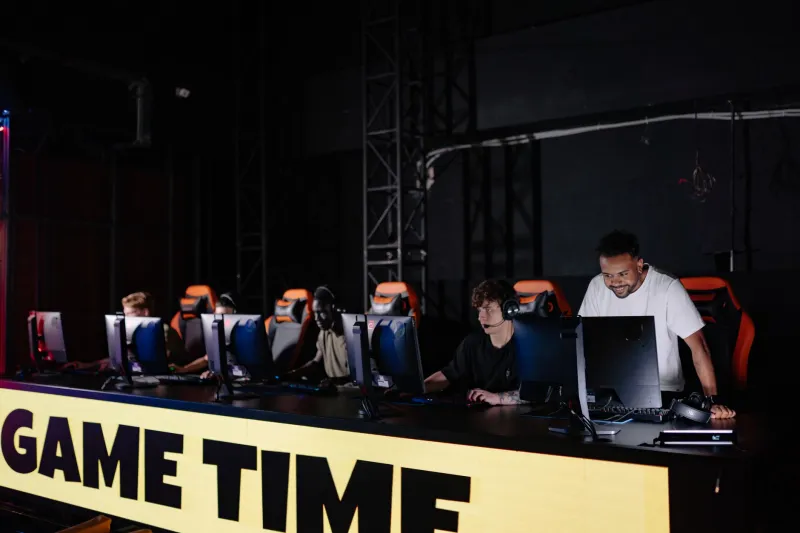
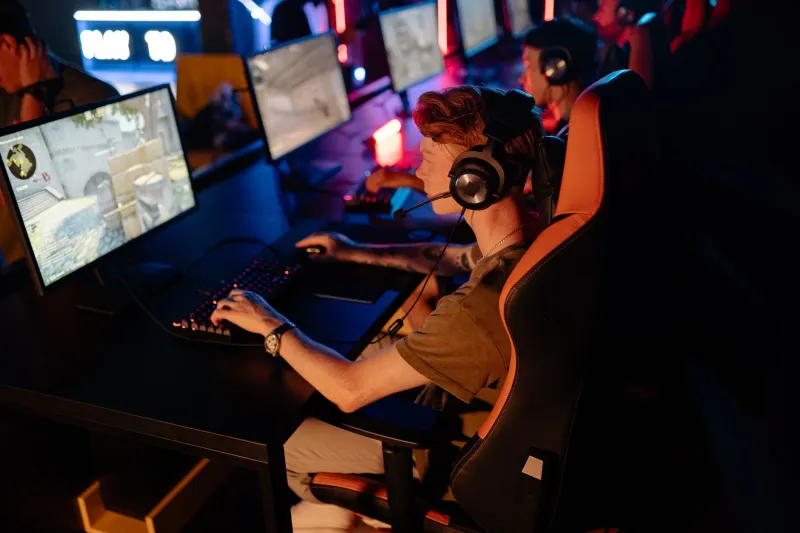
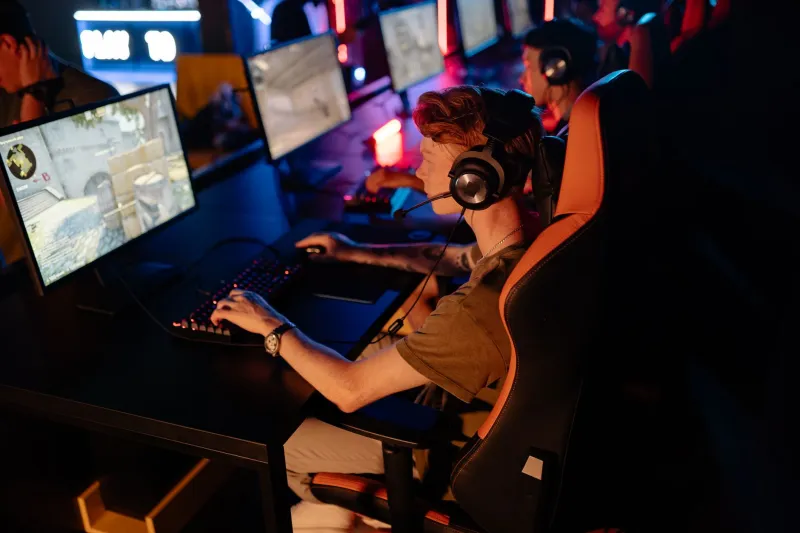
Picture this: your clan is sitting near the top of the standings. You're winning scrims. Tournament bracket runs are going deep. Team chemistry feels locked in. Then, out of nowhere, leadership drops a bomb — a core player is getting benched, a new pickup is incoming, and the whole squad has to rebuild synergy from scratch with the season halfway done.
It happens more than you'd think. And the wild part? It's not always the struggling clans doing it.
Some of the most statistically dominant rosters in competitive gaming communities have blown themselves up at the worst possible time — right when momentum was on their side. The question isn't just why it happens. The real question is whether the clans pulling the trigger actually know the difference between a calculated move and a full-blown panic spiral.
The Psychology of Winning — And Why It Feels Fragile
Here's something that doesn't get talked about enough in competitive gaming circles: winning can be just as psychologically destabilizing as losing, especially for clans that have never sustained success for long.
When a roster goes on a hot streak, leadership starts scanning the horizon for threats. What happens when teams figure us out? What if our star fragger gets poached? Is our weakest link about to become everyone's target? That kind of thinking isn't irrational — awareness of your own vulnerabilities is part of competitive intelligence. But it becomes dangerous when anxiety starts driving decisions that data doesn't support.
Sports psychologists call it "anticipatory loss aversion" — the fear of losing something you haven't lost yet. In clan culture, it tends to manifest as roster anxiety: the constant, nagging belief that your current lineup is one bad tournament away from collapse, even when the numbers say otherwise.
The result? Clans start shopping for upgrades they don't actually need, entertaining offers from free agents who create unnecessary drama, and second-guessing players who've been delivering all season long.
When a Mid-Season Change Is Actually Justified
Let's be real — not every mid-season roster move is a panic decision. There are legitimate scenarios where shaking things up mid-run is the right call.
Behavioral issues that can't be corrected. If a player's attitude is actively fracturing team culture — missing practices, creating toxicity in comms, undermining the IGL's calls — keeping them around to protect short-term performance is a long-term losing strategy. Culture eats talent for breakfast. Championship clans know this.
A role gap that's been exposed. Sometimes a team's success in early season play is masking a structural weakness. If you're deep into a season and a specific role — say, your support or your entry fragger — is consistently being exploited by top-tier opponents, and you have a proven upgrade available, that's a legitimate reason to consider a change. The key word there is proven. Not "looks good in highlights." Proven.
Organic opportunity. Every now and then, a player becomes available mid-season who genuinely fills a gap you've been working around. If the fit is obvious, the timing works, and the integration period is manageable, pulling the trigger can make sense. But this is rare, and most clans dramatically overestimate how often this scenario actually applies to them.
The Upgrade Illusion
Here's where a lot of clans get themselves in trouble: they confuse different with better.
A free agent who looks elite on paper might be a nightmare to integrate mid-season. Competitive synergy — the kind that comes from dozens of hours of scrims, shared callout vocabulary, read-and-react trust between teammates — takes time to build. You can't shortcut it. A new pickup, even a genuinely talented one, is going to cost your team weeks of regression before they level back up to where you were.
For a clan in the middle of a season with tournaments on the calendar, that regression window might be the exact window where you needed to be performing at your peak.
There's also a social dynamic that gets overlooked. When leadership starts entertaining roster changes publicly — even just floating the idea in leadership chats — it sends a message to the entire roster that no one is safe. That kind of uncertainty is corrosive. Players who were locked in start playing cautiously. Guys who were bought into the system start hedging their loyalty. The team you were trying to improve quietly starts falling apart.
What Championship-Level Clans Actually Do
The rosters that consistently go deep in competitive play — the ones that show up in finals, that other clans study on VOD — tend to share one trait when it comes to mid-season roster management: they don't touch what's working unless they absolutely have to.
That sounds obvious. But the discipline required to resist the temptation of an available upgrade, to trust the process when uncertainty creeps in, to back your core players when outside voices are questioning them — that's genuinely hard. Especially in a gaming culture where roster moves generate hype and attention, where dropping or picking up a player feels like doing something when the pressure is mounting.
The best clans treat their roster like a system, not a collection of individual talent slots. They ask: does this change make the system better, or does it just feel like progress? That's a harder question to answer honestly than most leadership groups want to admit.
They also communicate. When roster anxiety starts creeping into leadership discussions, the clans that handle it best bring it into the open — not with the whole team necessarily, but within the leadership core. Naming the anxiety for what it is tends to defuse it. "We're freaking out because we're winning and we don't trust it" is a real conversation that competitive clans need to be willing to have.
Before You Make the Call
If your clan is sitting in a good spot mid-season and you're feeling the itch to shake things up, run through a quick gut check before you do anything:
- Is the problem real or imagined? Are you identifying an actual performance gap, or are you pattern-matching on fear?
- Can the issue be coached? A lot of "roster problems" are actually communication or preparation problems that don't require a personnel change.
- What does the timeline look like? If your next major tournament is four weeks out, you probably can't afford the integration cost of a new player. If you've got two months of regular season left, the math might be different.
- Have you talked to the player in question? It sounds basic, but a direct conversation about expectations and performance often resolves things that leadership was ready to blow up over.
Roster moves are sometimes necessary. Mid-season roster moves are occasionally the right call. But in competitive clan culture, the urge to tinker with a winning lineup is almost always more about anxiety management than genuine strategic thinking.
The clans that figure that out tend to be the ones still competing when the season actually matters.