Scrim Gods, Tournament Ghosts: Why Dominant Practice Records Mean Nothing When the Stakes Get Real
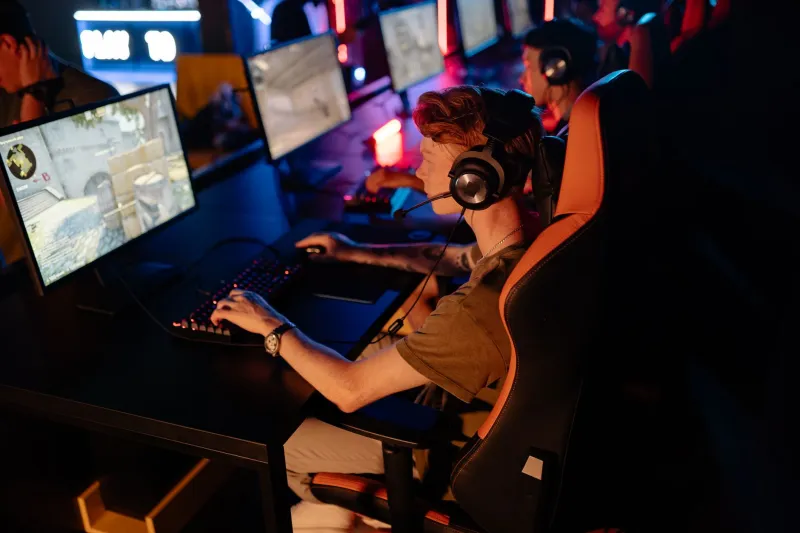
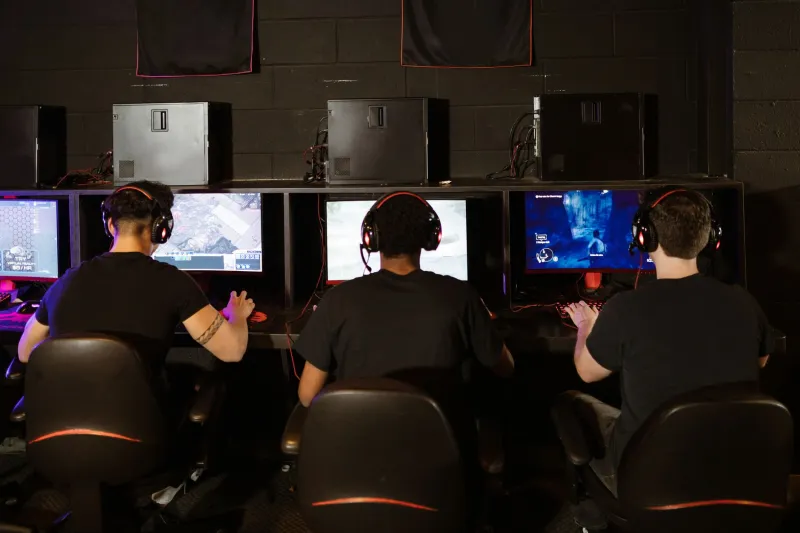
Every clan has been there. You close out another scrim session on a ridiculous win streak. The callouts are crisp, the rotations are automatic, and your squad is talking trash in the group chat like you're already champions. Then tournament day rolls around, and somewhere between the lobby loading screen and the first round elimination, everything you built in practice just... evaporates.
You're not imagining it. And no, your opponents didn't suddenly get better overnight. What happened is one of the most frustrating and least-discussed phenomena in competitive gaming: the scrim-to-tournament performance gap. It's real, it's widespread, and it's quietly humbling clans at every level of play across the country.
The Comfort Zone You Didn't Know You Were Building
Here's the thing about scrimmages — they're supposed to be uncomfortable. But over time, most clans accidentally domesticate them. You end up running the same practice lobbies against the same handful of opponents, at roughly the same time, with roughly the same energy in the voice chat. Your brain starts to recognize the pattern, and it stops treating those sessions like genuine threats.
Neuroscience backs this up. When the brain perceives a low-stakes environment, it processes information through a more relaxed cognitive state. Decision-making feels fluid, reaction times feel sharp, and communication flows naturally. The moment real stakes enter the picture — prize money, ranking points, public brackets — the brain shifts gears. Cortisol spikes. Working memory tightens. Suddenly the callout that came automatically in scrims requires actual conscious thought, and that half-second delay is all it takes for everything to unravel.
This isn't weakness. It's biology. But understanding it is the first step toward beating it.
Why Tournament Pressure Hits Different
Competitive gamers in the US have grown up in a culture that glorifies the highlight reel — the clutch play, the insane flick, the perfectly timed ult. What that culture doesn't spend nearly enough time on is the mental infrastructure required to perform when the lights are actually on.
Tournament environments introduce variables that scrims simply don't replicate. There's the audience factor, even if it's just a Discord server watching the bracket update in real time. There's the finality of elimination rounds — one bad half and your entire preparation becomes irrelevant. There's the unfamiliar opponent whose tendencies your team hasn't studied. And there's the weight of expectation, especially for clans that have built their identity around being "the team to beat" in practice lobbies.
What's particularly brutal is that pressure doesn't just affect individual players — it attacks team cohesion. The communication patterns your squad built over weeks of scrims get disrupted when stress enters the equation. Players start second-guessing calls they'd normally make without hesitation. Leaders over-communicate or go silent at the worst possible moments. The whole system short-circuits.
The Tactical Side of the Problem
Beyond the psychological piece, there's a legitimate tactical explanation for why scrim dominance doesn't travel well.
Most clans develop strategies that are optimized for their regular scrim opponents. You've watched enough film on those teams to anticipate their tendencies, and your setups exploit the specific gaps in their gameplay. That's good preparation — for those teams. The problem is that tournament opponents haven't been running the same predictable patterns, and your carefully constructed game plans suddenly have no foundation to stand on.
This is where adaptability separates good clans from genuinely elite ones. Tournament success requires the ability to read and respond to unfamiliar opponents mid-series, not just execute a pre-loaded script. If your scrim sessions have been more about running your own plays than developing real-time problem-solving instincts, you're going to feel it the moment you face a team you haven't seen before.
How to Actually Fix This
The solution isn't to practice harder — it's to practice differently. Here's what clans that consistently translate scrim performance into tournament results are actually doing.
Simulate the stakes deliberately. Build internal consequences into your scrimmages. Some clans run a "tournament rules" session once a week where losing means sitting out the next session or running a punishment drill. Others create internal leaderboards that actually affect roster decisions. When something real is on the line, even artificially, your brain starts treating the session differently.
Diversify your scrim pool aggressively. If you're running the same three or four opponents every week, you're training your team to beat those specific teams, not to compete. Seek out unfamiliar opponents, including teams you have no film on. The discomfort of playing someone new is exactly the kind of stress inoculation your roster needs.
Run cold-start sessions. Don't give your team time to warm up, discuss strategy, or get mentally comfortable before a scrim block. Jump straight into a high-pressure scenario with minimal setup. Tournaments don't wait for you to feel ready, and your practice shouldn't either.
Debrief the mental game, not just the tactical game. After every tournament loss, most clans spend their review time breaking down positioning errors and missed rotations. Spend equal time talking about communication breakdowns, moments where players hesitated on calls they'd normally make automatically, and points in the match where the team's energy shifted. That's where the real information lives.
Embrace underdog scrimmages. Intentionally schedule sessions against teams that are better than you. Losing in practice against elite opponents builds a kind of pressure tolerance that winning against weaker teams never will. The goal isn't to protect your scrim record — it's to prepare your team for the feeling of being in a difficult situation and having to fight through it anyway.
The Mental Rep Is Still a Rep
Elite athletes in traditional sports have used visualization and mental rehearsal as legitimate training tools for decades. Competitive gaming is catching up, but slowly. Encouraging your players to mentally walk through tournament scenarios — the crowd watching, the bracket pressure, the unfamiliar opponent — actually builds neural pathways that help manage stress when those situations become real.
This isn't soft stuff. It's practical preparation that costs nothing except a few minutes of intentional thought before a session.
Stop Mistaking Practice Dominance for Tournament Readiness
Your scrim record is a data point, not a destination. The clans that keep winning in tournament brackets aren't necessarily the ones with the most polished practice performances — they're the ones who've built the mental and tactical flexibility to perform when the environment stops cooperating.
If your squad is consistently dominating practice lobbies and then going quiet in tournaments, the answer isn't more of the same training. It's training that looks, feels, and stresses like the real thing. Because when the bracket is live and the stakes are actual, you don't rise to the occasion — you fall back on whatever you've genuinely prepared for.
Make sure what you've prepared for is worth falling back on.