Gone by Week Three: How Mercenary Culture Is Quietly Destroying Competitive Clan Rosters

You spent two months building the roster. Scouted players, ran tryouts, got everyone synced on comms, drilled the same rotations until they felt automatic. Then, three weeks into the season, your star fragger gets a DM from a higher-ranked clan offering a shot at a bigger tournament prize pool — and just like that, you're rebuilding.
This isn't a one-time story anymore. It's a pattern, and it's accelerating.
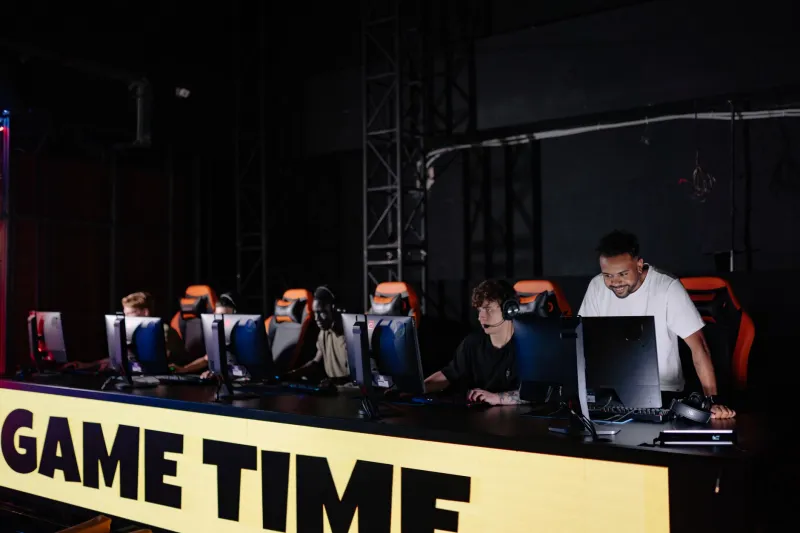
Across competitive titles — from Valorant and Apex Legends to Call of Duty and Rainbow Six Siege — mid-season player poaching has become one of the most disruptive forces in grassroots clan competition. Skilled players are treating clans less like homes and more like stepping stones, rotating through rosters in search of the fastest path to tournament glory. And the organizations left behind are paying the price in ways that don't always show up on a leaderboard.
What's Actually Driving the Shuffle
Let's be honest about something: the players making these moves aren't villains. Most of them are just responding to incentives that the competitive gaming ecosystem has created.
For one, the prize pool structure in grassroots esports heavily rewards short-term results. If a higher-ranked clan is entering a $5,000 bracket this weekend and your clan is grinding a $500 qualifier, the math isn't complicated. Players with real skill know their value, and in a market where clan loyalty isn't enforced by contracts, they exercise their options.
Social media has amplified this. Tournament highlights, follower counts, and public bracket results are all visible. A talented player watching a former teammate win a major on a different roster starts questioning their own choices. The FOMO is real, and it's weaponized by recruiting clans who know exactly when to slide into someone's DMs.
There's also a deeper cultural issue: competitive gaming, especially in North America, has largely celebrated individual skill over team identity. The "carry" narrative — the idea that one elite player can elevate a mediocre roster — makes individual value feel more transferable than it actually is.
What It Costs the Clan Left Behind
The obvious cost is the roster hole. Someone has to fill it, and mid-season recruiting is always a scramble. But the damage runs deeper than that.
Chemistry is the most undervalued asset in team-based competition, and it's the first thing that walks out the door when a key player leaves. Callouts, rotations, clutch decision-making under pressure — none of that works the same way with a stranger in the lineup, no matter how mechanically gifted they are. Clans that lose a core player mid-season often spend the remainder of the season chasing a version of themselves that no longer exists.
Trust is the second casualty. When one player jumps, others start questioning whether they should too. The remaining roster members begin evaluating their own situations differently. What felt like a team starts feeling like a temporary arrangement. That mindset change is almost impossible to reverse once it takes hold.
Finally, there's the organizational reputation hit. Word travels fast in gaming communities. Clans that are known for being raided — or worse, clans whose players are known for leaving — develop reputations that hurt future recruiting. Top prospects don't want to invest in a roster they don't trust to stay intact.
How Some Clans Are Pushing Back
The clans managing this problem best aren't the ones trying to out-bid bigger organizations. They're the ones making the case that loyalty is worth something — and then backing it up.
Structured revenue sharing is one approach gaining traction. Some mid-tier clans are formalizing internal agreements where tournament winnings are split across the active roster, including players who contributed during qualifying rounds. It's not a contract, but it creates a financial stake in staying together.
Identity-first branding is another lever. Clans that have built a genuine culture — a recognizable brand, a community following, a content presence — give players a reason to stay beyond the competitive results. Leaving a faceless roster for another faceless roster is easy. Leaving a clan that has 10,000 followers and a recognizable team identity is a harder conversation.
Transparent growth roadmaps matter more than most clan leaders realize. Players leave when they feel stuck. If your organization can articulate a clear path — here's the tournament circuit we're targeting, here's how we're developing players, here's where we want to be in six months — you give your roster something to buy into beyond this weekend's bracket.
Some clans have also started implementing informal waiting periods before new recruits can play in official competition, borrowed loosely from traditional sports transfer rules. It doesn't stop poaching, but it reduces the impulsive mid-tournament departures that do the most damage.
The Bigger Picture
Mercenary culture in competitive gaming isn't going away. The incentives that drive it are baked into how grassroots esports is structured right now. But that doesn't mean clans are helpless.
The organizations that thrive long-term aren't the ones with the best players at any given moment — they're the ones that make being part of the clan feel like something worth protecting. That's a culture problem before it's a roster problem, and culture is something every clan, regardless of budget, can actually control.
Building that kind of loyalty takes longer than a single season. But it's the only thing that makes a roster more than just a collection of players who happen to share a Discord server.