Reps Before Trophies: Why Elite Clans Treat Scrimmages Like Championship Matches

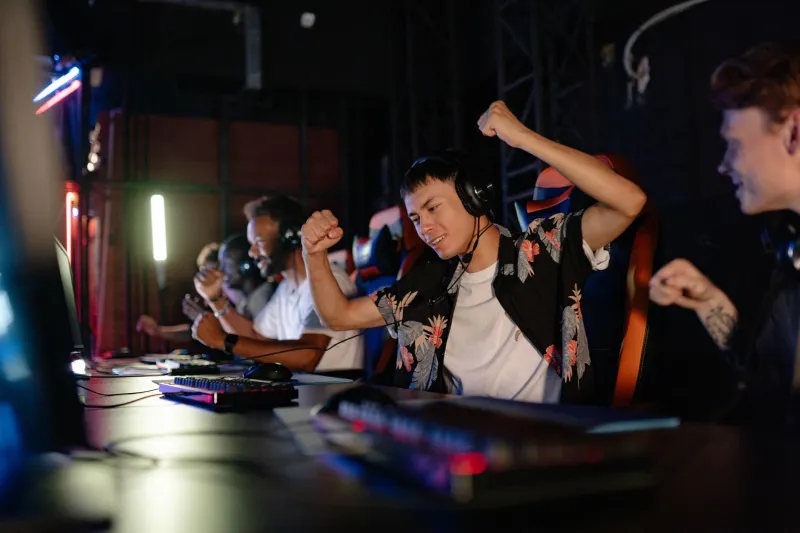
Photo by Photo by ELLA DON on Unsplash on Unsplash
Every competitive gamer knows the feeling of watching a top-tier clan absolutely dismantle opponents in a tournament and thinking, "How do they make it look that easy?" The answer almost never lives inside the tournament itself. It lives in the hundreds of hours of practice matches—scrimmages—that nobody outside the team ever sees.
Scrims are the unglamorous backbone of competitive gaming. No prize pool. No audience. No highlights getting clipped and posted to Twitter. Just your squad, an opponent willing to run it back, and a whole lot of honest feedback about what you're doing wrong. And for the clans that actually win things, that's exactly the point.
The Difference Between Playing and Practicing
Here's a trap a lot of clans fall into early: they confuse activity with preparation. Logging hours in ranked or casual queues feels productive, but it's not the same thing as structured practice against organized competition. Scrimmages create a specific kind of pressure—an opponent who's also trying to win, who's also running coordinated strategies—that solo queue or even ranked team play simply can't replicate.
The clans that understand this distinction treat every scheduled scrim like it carries actual stakes. That means showing up on time, having a game plan, assigning roles for the session, and agreeing on what the team is specifically working on before the first match even loads. Winning the scrim isn't always the goal. Executing a particular defensive rotation correctly, or stress-testing a new draft strategy, might matter a whole lot more on any given day.
Coaches and team leaders at the competitive level talk about this constantly. The scrim isn't the reward—it's the laboratory.
Building a Scrim Schedule That Actually Works
One of the most common mistakes mid-tier clans make is treating scrimmages as something you do when you feel like it. Elite teams approach their scrim schedules with the same structure you'd expect from a college sports program. Set days, set times, set expectations.
A typical high-performing clan might block out three to five scrim sessions per week, each lasting anywhere from two to four hours. But the number of sessions matters less than the consistency and intent behind them. A team that scrims twice a week with full focus, proper review, and clear objectives will outpace a team running daily sessions that dissolve into casual chatter and no accountability.
Finding scrim partners is its own challenge. Clans that compete in the same general skill bracket need to connect—and that usually happens through Discord servers, game-specific community hubs, or established relationships built up over time in the scene. Reaching out cold to other clans with a straightforward, professional message goes a long way. Offer to run a set number of maps or rounds, agree on the format, and build that relationship over time. Consistent scrim partners who know your tendencies will push you harder than strangers who don't care about the outcome.
VOD Review: The Session After the Session
If scrimmages are the laboratory, VOD review is where you actually read the results. Recording your practice matches and sitting down to watch them—ideally as a full team—is one of the highest-leverage things a competitive clan can do, and it's also one of the most commonly skipped.
Watching yourself play is uncomfortable. You'll see the rotation you swore was correct fall completely apart. You'll notice the communication breakdown that led to a wipe you blamed on someone else. That discomfort is the point. VOD review strips away the in-the-moment adrenaline and shows you what's actually happening on screen.
Effective review sessions aren't just about calling out mistakes. The best team leaders structure them around specific questions: Where did our positioning break down? What did the opposing team do in round three that we had no answer for? Did we execute the strategy we planned, or did we revert to old habits under pressure? Those questions keep review sessions focused and actionable rather than turning into two-hour blame sessions.
Timestamping key moments during the match itself—deaths, objective losses, communication failures—makes the review process dramatically faster. Some clans use dedicated tools or even simple shared Google Docs to log these moments in real time.
Chemistry Isn't Accidental
Here's something tournament brackets don't show you: the teams that communicate like they share a brain didn't start out that way. That level of in-game chemistry is built through repetition—specifically, through scrimmages where things go wrong and the team has to adapt together.
When you've run the same site take with your squad fifty times, you stop thinking about the callout and start feeling it. You know before your teammate says anything that they're going to push left, because you've watched them do it under pressure a hundred times. That kind of trust and predictability is a genuine competitive advantage, and it only comes from shared practice time.
Scrimmages also reveal adaptability in a way ranked play rarely does. A good scrim partner will make adjustments mid-session, forcing your team to respond. How your squad handles being countered—whether they panic, tilt, or actually problem-solve in real time—tells you more about tournament readiness than any ranked leaderboard position.
Keeping the Grind from Burning You Out
All of this is important, but there's a real risk in treating every single scrim like life or death. Burnout is a legitimate problem in competitive gaming, and squads that push too hard without recovery time often see performance drop right when they need it most—heading into a tournament.
Balance matters. High-output practice cycles should be followed by lighter weeks, especially in the lead-up to major events. Some clans deliberately schedule "loose" scrim sessions where the pressure is dialed back, the team experiments with off-meta strategies, and the whole thing feels a bit more like gaming for fun. That's not wasted time—it's recovery that keeps the squad sharp for when it counts.
The scrim grind isn't sexy. There's no crowd, no bracket, no moment where the chat explodes. But every championship run you've ever admired was built inside those quiet, unrecorded sessions where a team decided to take the work seriously. That's where the real competition happens—and the clans who understand that are always the ones you see lifting trophies at the end.